|
To Grow Basil - Picking a
Basil
There are many different types and
variations of Basil available and to truly appreciate this you should try each of them or as many as you can. There
are the usual types that everybody knows that you purchase in supermarkets and then
there are the others that consist of purple leaves then the types that have lemon flavours
et cetera. Simply try to grow basil of different
types or go to a store (if available) that specialises in herbs.
Planting
Basil
If you have done the least bit of
gardening in the past, growing Basil will be like a walk in the park. There are just a few simple rules to
follow that includes giving it plenty of sunlight and of course water.
Basil likes to be well drained too so don't plant it in an area where there are risks of small puddles and
water logged beds. Pick an area that will allow about 2 feet deep and 1 foot wide for growth. Use regular soil or
even compost when growing in pots and again, make sure the pot drains easily.
When growing from a small plant (a
pre-grown small basil plant), remove from the small container it arrived in and loosen the root ball to free the
roots and remove the soil. Plant this in a hole approximately twice the depth and width of the ball and smooth over
with soil to fill the void. Press lightly to compact the plant in place and give in a brisk watering. As simple as
that.
Basil also can be grown from seed easily, but you should start off with a plant for easy practice. At the end
of the first crop you will have enough seeds for the next time to plant from seed yourself. Just make sure
you plant after the last frost as basil will not survive such conditions. At the end of winter you could even
plant them in small containers and grow them inside before moving them into the out-door
environment.
Caring For the
Basil
Plant growing and herb growing have very
different aspects with regard to gardening. When growing plants it is usually to get a large flowering bloom for
eye satisfaction but with herbs, the larger the plant grows, the decreasing intensity of flavor will be obtainable.
So the smaller the herbs, the more compact and intense the flavor will be. So generally, Basil will blossom well
under a semi-neglect sort of state, the only care needed is a daily watering and good drainage. There should be no
plant food provided for them, just optimal growing conditions. At the end of the summer, your Basil plants will
start to flower, from here, simply cut them off to keep the flavorful leaves growing. Only keep the flowers when
you are ready to collect seeds for the next season.

Harvesting Basil
The good thing about basil is that a few small plants will
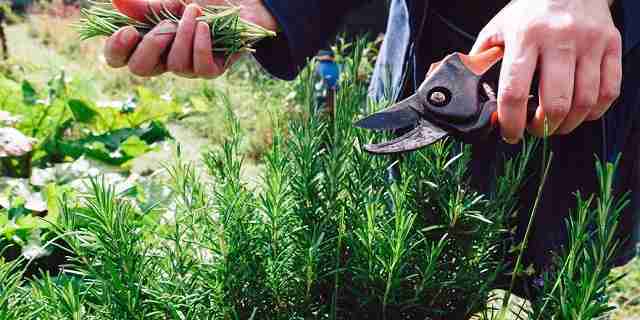
provide you with enough leaves for the entire summer. Simply clipping the largest branches about half way
down will be adequate to provide you leaves for cooking whilst allowing the plant to recover good growth.
Give it a good week or two before another harvest and your plant will last you a few
months.
All You Need To Know
On How To Grow Basil
Basil is a wonderfully fragrant leafy herb, which can be added to sandwiches, salads
and pasta dishes. Just think about what a tomato and basil pasta sauce would be without basil! Let us look and
discover How To Grow Basil at home, so that you can always have your favourite herb at hand whenever you need
it.
If you are going to grow your Basil in pots, you need to ensure that there is
adequate drainage available at the base of the pot. You may need to line the pot with coarse gravel.
You can also grow Basil outside, but do ensure that the soil is weed free and well
dug over. Your soil must be moist, so water it well the day before you plan to sow the Basil.
Basil should not be exposed to the last frosts of spring. If you are sowing outside,
you should wait until late March before sowing. For indoor plants, you can sow anytime.
The seed must be sowed thinly and covered with about half a centimetre of compost.
The seeds usually germinate in approximately 7 days and once the seedlings have at least two pairs of true leaves
each, you can thin out the weaker seedlings.
Basil seedlings need about six to eight hours of sunlight every day. A sunny
windowsill or an outside spot where it is sheltered from cold winds is ideal. Well-dug, fertile soil is best for
Basil as it allows good circulation of soil air. Using a good organic manure or compost about a month before you
plan to sow can help this.
Weeds should not be a problem in indoor pots. Organic mulch around the Basil plants
will help the soil retain moisture and prevent weeds. A little bit of fertilizer once a month should be sufficient
for indoor pots.
When you water the plants, be sure to do so at the base of the plant. If you shower
the stems and leaves, they may become heavy and flattened. If flowers appear, you should pinch them out to preserve
the flavour of the plants and to channel the energies of the plant into growing more leaves.
When you harvest Basil, be sure to pick a few leaves off each plant instead of
picking all the leaves off only one plant. Indoors Basil will grow all year round. You could dig up your outdoor
Basil and bring it indoors before the first frosts of fall arrive.
Excessive Basil leaves can be frozen for future use or dried for use as a dried herb.
When drying Basil, you should cut the stems at the level of the soil and dried in a dehydrator. Else you could hang
it in bunches to air dry in a warm room for about a week. The leaves can then be removed from the stems and stored
in an airtight container. It will keep like this for up to a year.
Basil varieties include Lemon Basil that has a mild lemony flavour, Purple Basil that
has purple leaves and Sweet Basil that is most commonly used in cooking. Now you know How To Grow Basil you have a
whole range of culinary delights awaiting you and your family.
Bay
Leaf
|