|
There are many definitions
of a herb but to cut to the point, in terms of cooking, a herb is typically a plant which provides flavor when
added to food before, during or after cooking.
Culinary herbs are different from vegetables in that
they are not the base of the meal, but added in small volumes to provide an enhancement of
flavor.
The Great Use of herbs
Herbs, especially
easy to grow herbs that are fresh simply add all the goodness into food and literally transform a piece of cooking.
A great emphasis that many people bypass is the fact that they complain about gaining weight due to bland
food.
This can be understandable but there is no excuse for keeping your food bland. There are so
many herbs available out there to completely change this and even more so, to
grow herbs is such a lot of fun. If you don't use the majority of them, don't worry, simply dry them out and use
dried herbs as well.

Herbs are so easy to grow in the garden,
and not only do they add all the benefits of a colourful garden, but they can be used in the kitchen to aid in your
cooking as well. Furthermore to adding flavor to food such as stews, soups, and general recipe dishes etc,
they provide great health and medical advantages also.
|
|
|
|
|
|
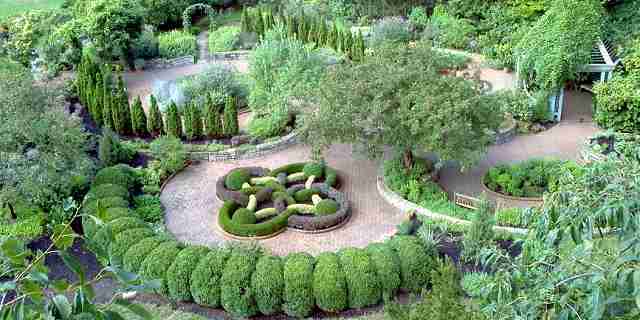
You can place your herbs just about any where within your garden and your home. They
can be combined in annuals within beds and borders. They can be just outside the
kitchen or within small pots within the kitchen. They can be mixed between your flower
beds or even dedicate a small area of your garden for the growth of herbs. |
|
|
|
|
|
|
The general success of a herb garden is a plan. Doesn't have to be too detailed but simply thoughts
on what herbs you will use the most, how much of specific herbs you would desire and implementing this into your
available space. You will also have to consider their cultural needs and the general nutrition you need to provide.
If you want a small amount for certain times, you could blend this into your normal flower bed, but if you want a
huge amount to cultivate all year round, you would more than likely require a dedicated section of your garden for
this.

Most modern herb gardens basically blend small amounts of
herbs mixed in with all their other flower beds. This keeps in good practice with a garden and not a small
farm. People are also having small herb gardens within their homes, due to little modern inventions creating
miniature like green houses. So there is no excuse, give it a go.
Have a look at the fresh herbs and how to grow an indoor herb garden / outdoor herb garden and further down the line, try growing the most
popular herbs like Basil, Chives, Mint, Oregano and Parsley. Also read up on Anything
On Herbs.
There are numerous varieties of natural herbs and the first thing when planning for a
backyard garden would be to pick the types you would like to raise. In case you are a new comer to botanical
herb horticulture you should probably begin with the ones you will get most use out
of.
It is advisable to maintain those natural herbs that need superiority of water levels at
independent ends on the herb garden.
Several herbs usually do not call for the maximum amount of sunlight as many other herbs, and may
possibly be grown in close proximity to taller sorts which will filter immediate sun rays, or even, if it is
possible to identify the bed where a single segment may acquire much less time regarding sunshine on a daily basis
in comparison with the remainder of the herb bed.
Should you decide to plant seed-stock of gradual
germinating perennial natural herbs from the Autumn, accompanied by seed products of twelve-monthly natural herbs
early in the year, approach spacing for the entire back garden in the Autumn and cautiously, again, cultivate the
actual bed early in the year so that you will not disrupt the germinating perennials.
|