|
Create a Herb
Garden Design as, Herbs not only add flavor but can
add a lot of essential vitamins and minerals to your
dish. Before growing and planning your outdoor herb
garden design, there are a few factors that you will have
to do research first as not all herbs can withstand
certain environmental conditions such as frost and cold
or even too much heat. So you may be restricted to what
herbs you can grow according to your temperature and
region for your herb garden
design.
Another aspect you
have to consider when growing an outdoor herb garden
design is that you need soil. Also, you have to
consider that urban sub-urban soils are contaminated with
pesticides This may not effect the taste of the herb or
even inhibit their growth but there is the possibility
that you will ingest the pesticides if it isn't destroyed
during the cooking. If you really want to you could
contact your local city/town officials to get information
on this or the easier option would be to buy good soil
and compost from your local garden centre to enhance your
herb garden design.
When you have a
garden ready for the growth of plants et cetera,
the decision is what to grow. Growing herbs such as
thyme, oregano and parsley will do wonders for both your
garden and your cooking. Imagine having a constant supply
of fresh herbs to cook with whilst providing you with a
colourful garden.
Most herbs are
perennial, meaning they need 6-8 hours of sunlight per day and
well drained soil. Others are annuals that need to be
re-planted every year. You will learn this through out this
website and on seed packets you buy. Even the ones that may
struggle through the winter, you could prevent their death by
simply bringing them inside. This is the beauty of growing
herbs as most of them can be grown in pots and brought
inside.
If you have never grown herbs before, start with a small
herb garden design and the use of containers. Try
the basic herbs first such as thyme, tarragon and oregano
as well as a few basil plants. Plant these herbs in large
enough containers and place in areas that will provide
enough hours of sunlight. These pot containers will also
help in decorating your garden.

If you want to
plant directly into the ground, start by breaking the
soil up into a soft substrate and work in some organic
material. Place the smaller herbs in front and larger at
the back. Allow a few feet of space between the herbs
enabling enough room to grow.
Keep your new
plants moist for the first week or so. Gradually allow
them to acclimate to the drier weather. When weeds come
up (and they will), pull them so they don't compete with
the plants for water and nutrients.
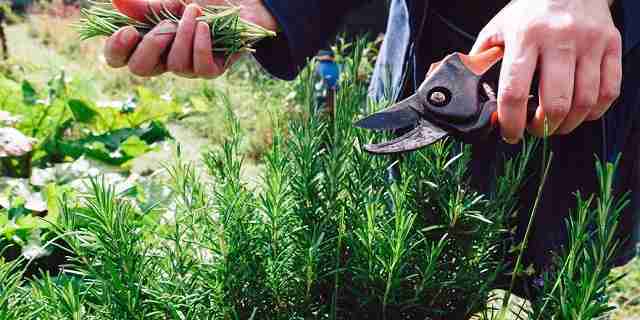
As your herbs
start to grow and mature, make cutting a regular process
to help keep the production of new leaves. If you are
growing basil, fertilize every 6-7 weeks and your herb
garden design will be well worth it.
Harvesting your
herbs is simple, just pick a few for the dinner you are
making that night and enjoy.
Grow
Basil
|